Regain Stability. Realign Your Spine. Move with Confidence.
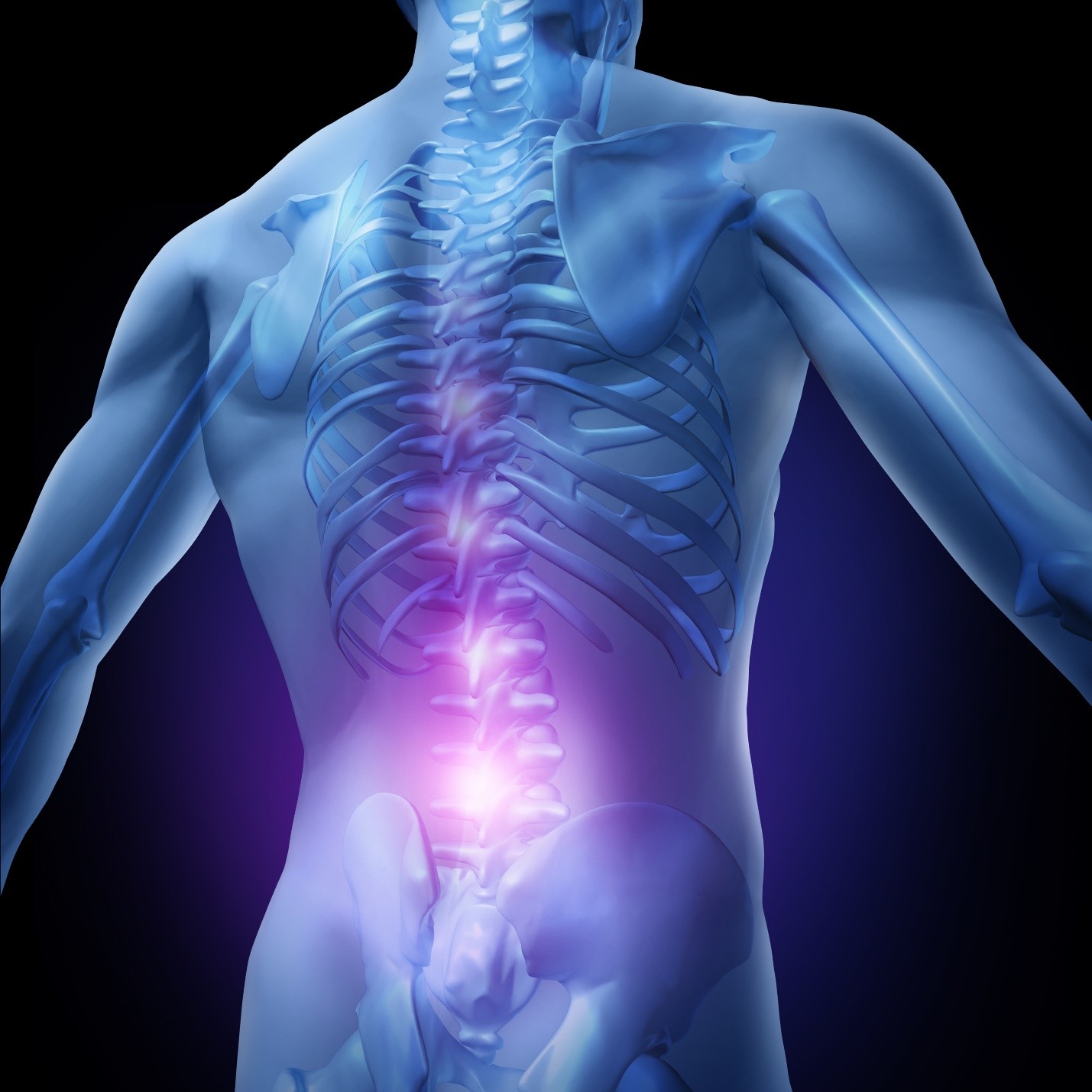
Spondylolisthesis doesn’t just cause back pain—it throws off your body’s entire foundation. At Physioline, Cure My Spine, Andheri West, we assess your spinal mechanics, identify the exact cause of slippage, and create a structured, non-invasive plan to restore balance, reduce pain, and rebuild confidence in your movement.
👉 Book Your Spondylolisthesis Consultation: 9819297772 / 7400066110
🌐 Learn more: https://www.curemyspine.com
What Is Spondylolisthesis?
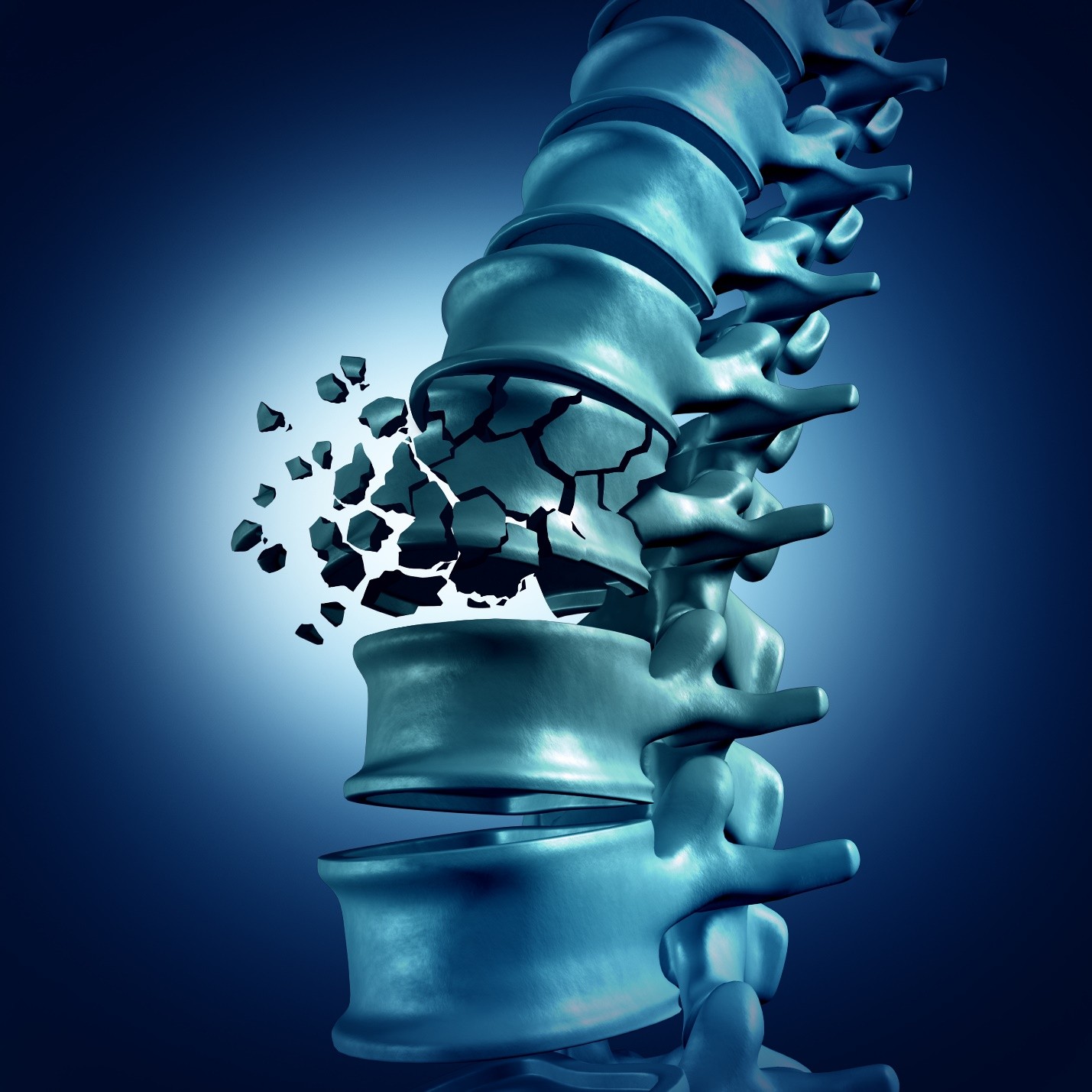
Spondylolisthesis is a condition where one vertebra slips forward over the one below it, causing instability in the spine. This forward shift can compress nerves, irritate muscles, and create postural distortions—leading to chronic pain, stiffness, and limited function if left untreated.
Common Types of Spondylolisthesis We Treat
- •Congenital: Malformed vertebrae present from birth
- •Isthmic: Caused by tiny stress fractures in a spinal segment
- •Degenerative: Due to wear-and-tear of discs and facet joints
- •Traumatic: Result of a spinal fracture or accident
- •Pathologic: Bone weakening from tumors, cysts, or disease
- •Post-surgical: Instability following previous spine surgery
Recognize the Warning Signs
- •Dull or sharp lower back pain, especially while standing or walking
- •Tight hamstrings and discomfort in hips or thighs
- •Pain during back extension (bending backward)
- •Feeling like your core muscles are weak or unstable
- •Increased arching or sway in the lower back
- •Radiating pain or numbness in buttocks or legs (if nerves are compressed)
Our Diagnosis: Precise, Not Guesswork
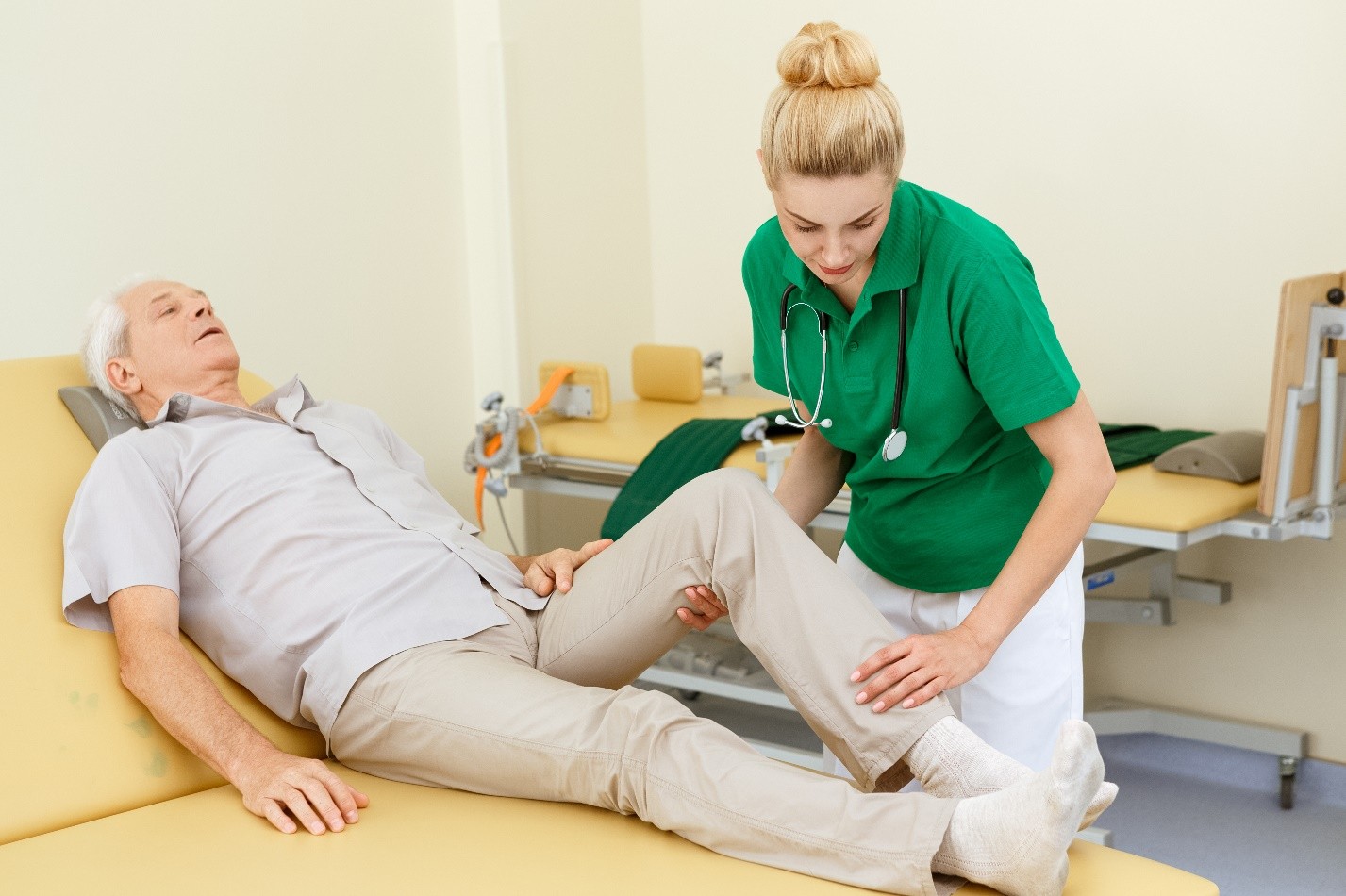
At Cure My Spine, we go beyond surface-level symptoms. We perform:
- •Detailed spinal and postural assessments
- •Functional movement tests to assess segmental instability
- •Gait and muscle activation analysis
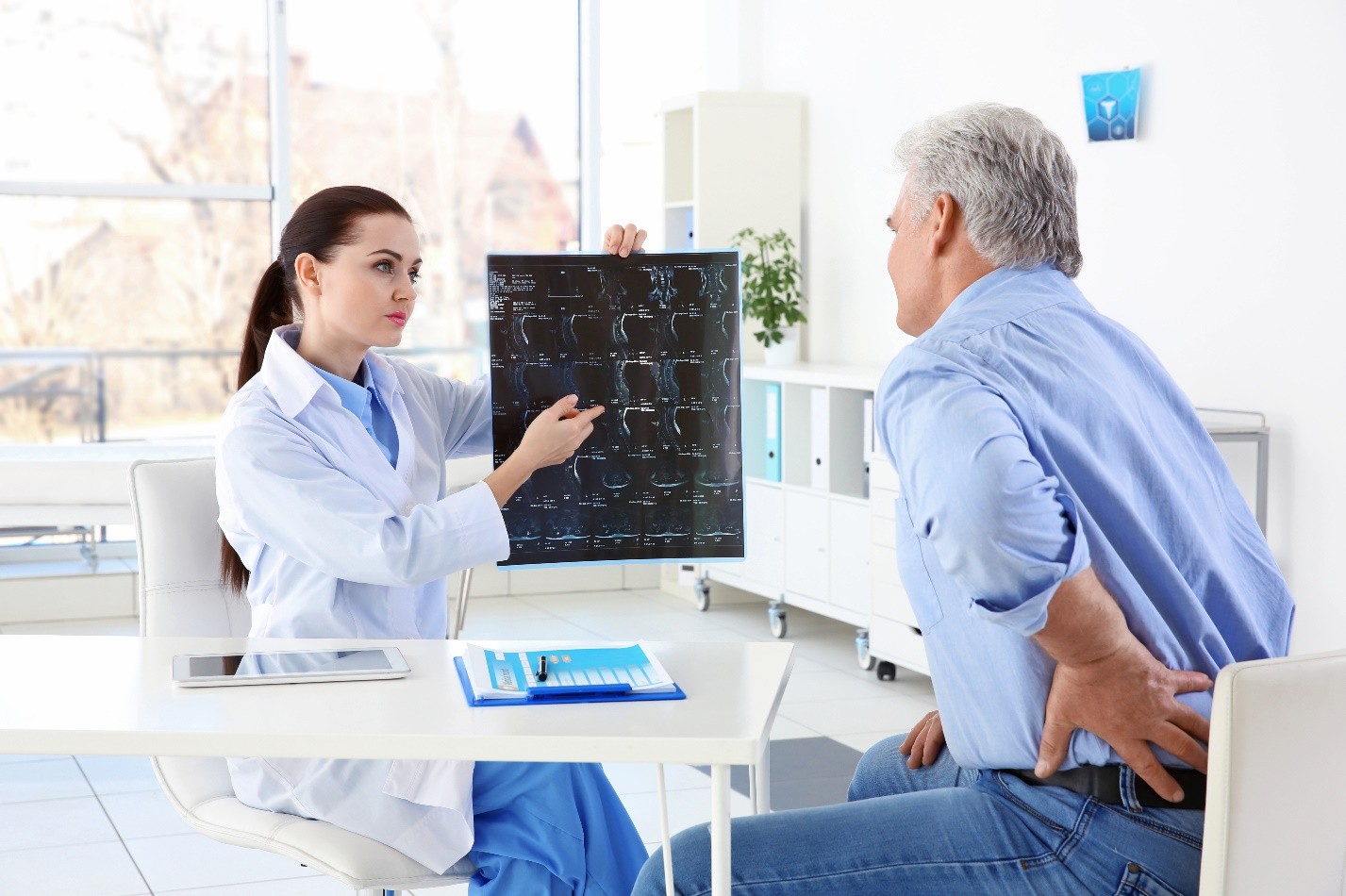
- •If needed, X-rays or MRI to determine the exact type and grade of slippage (Grades I–V)
Our Clinical Strategy: Rebuild from the Core Outward
Phase 1 – RELIEVE: Calm the System
- •Modify activity and reduce load on affected vertebrae
- •Use bracing or taping when indicated to improve alignment
- •Address inflammation with PEMFT and targeted pain relief therapies
- •Provide safe resting positions and movement do’s and don’ts
Phase 2 – REALIGN: Restore Biomechanics
- •Unload the spine using decompression and gravity-reducing techniques
- •Activate deep stabilizers (transverse abdominis, multifidus)
- •Realign movement patterns to avoid further slippage
- •Retrain core synergy—core, glutes, diaphragm, and pelvic floor
Phase 3 – REINFORCE: Build Lasting Strength & Stability
- •Functional strengthening of core, hips, and thoracolumbar fascia
- •Restore proper pelvic and lumbar mechanics
- •Correct posture, breathing, and daily movement patterns
- •Introduce progressive load tolerance without risk of aggravation
- •Lifestyle and ergonomic changes for long-term protection

Advanced Tools We May Use
- •🧬 PEMFT (Pulsed Electromagnetic Field Therapy) to reduce nerve irritation, stimulate repair, and improve circulation
- •🧠 Synthetic Exercise Protocols to simulate spinal loading without compressive stress
- •👐 Manual therapy & myofascial release for pain and muscle restriction
- •🪑 Ergonomic corrections for sitting, sleeping, and working positions
- •🎯 Functional neuromuscular re-education to retrain brain-body coordination
Why Choose Cure My Spine?
- •✅ Spine-specialized clinic in Andheri West, Mumbai
- •✅ Non-surgical, science-based care for Grade I–III Spondylolisthesis
- •✅ Clinically supervised recovery—no cookie-cutter plans
- •✅ One-on-one care with experienced neuro-musculoskeletal experts
- •✅ Focus on long-term spinal health, not just temporary relief

Is This Right for You?
Our program is ideal for:
- •Patients with mild to moderate spondylolisthesis
- •Individuals with post-surgical spinal instability
- •Those avoiding surgery and seeking non-invasive options
- •Desk workers, athletes, or parents with chronic low back issues
- •Seniors with age-related disc and joint degeneration

Stability is Strength. Let’s Rebuild It Together.
You shouldn’t have to live with fear of movement, nerve pain, or spinal collapse. With the right care, spondylolisthesis is treatable and manageable. Let us help you walk taller, sit longer, and move freely—without surgery.
👉 Book Your Spondylolisthesis Consultation at Cure My Spine: 📞 9819297772 / 7400066110